
The Most Important Part of Your Website
How to Make Your Above the Fold Clear, Trustworthy, and More Likely to Convert
When someone lands on your website, they start making decisions before they ever read your full story or explore your services. The first thing they experience is your above the fold section, and it should quickly help them understand who you are, what you do, and where to go next.
If that first section feels unclear, cluttered, or too generic, visitors have little reason to keep exploring. When it is clear and intentional, it creates trust and makes the rest of the website easier to navigate.
This is the framework I teach in my Above the Fold workshop for founders, service providers, and creatives who want their websites to communicate more clearly and work harder for their businesses.
What Does “Above the Fold” Mean on a Website?
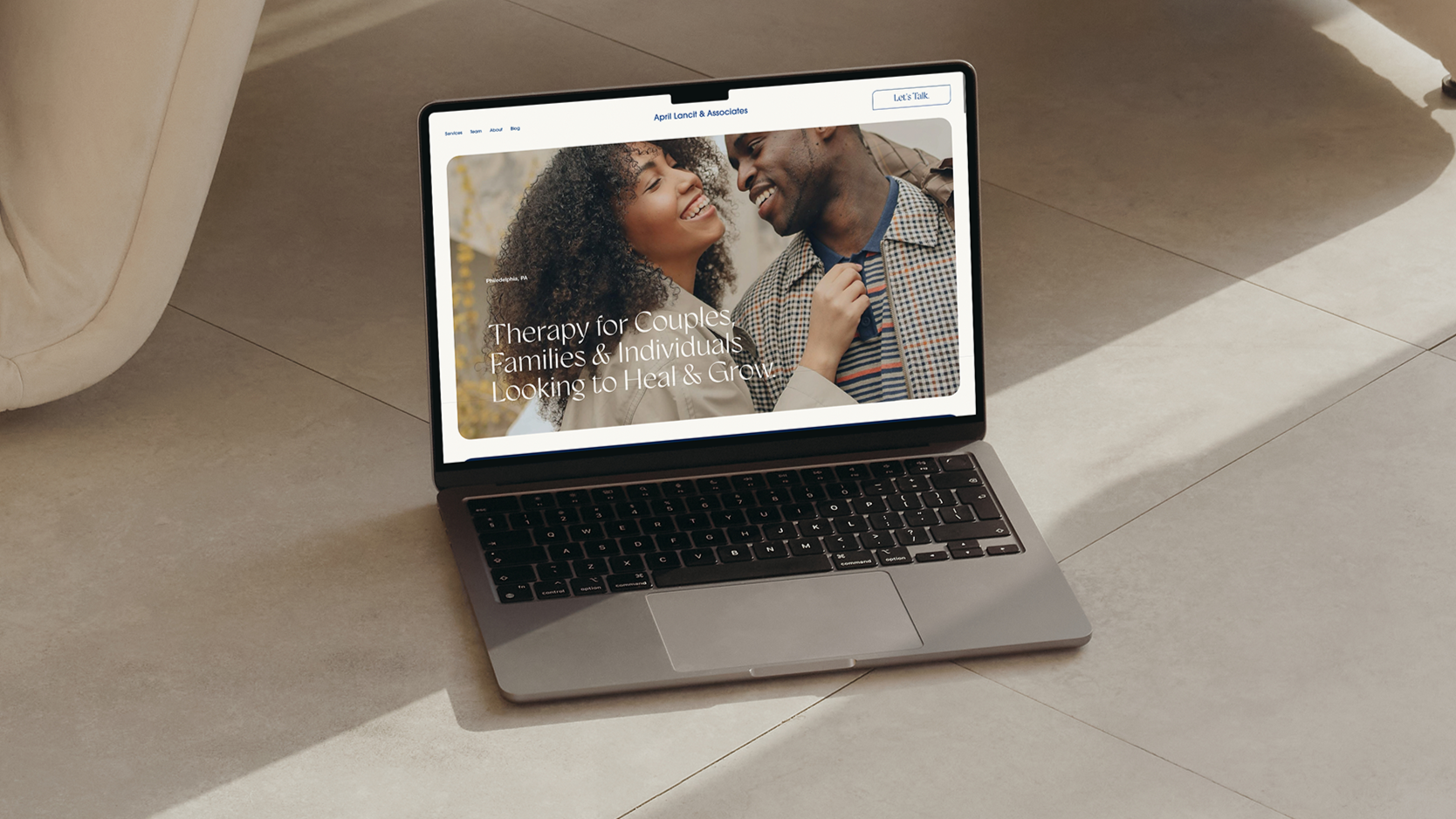
Above the fold refers to everything someone can see when your website first loads, before they scroll.
It usually includes your navigation, primary headline, supporting copy, call-to-action, and a key image or video. Think of it as your website’s prime real estate: you do not need to explain everything here, but visitors should immediately understand enough to want to continue.
What Should Be Included Above the Fold?
A strong above-the-fold section usually needs five things:
1. A Clear Headline
Your headline should quickly communicate what you do, who it is for, and the value you provide. This is not the place for a vague statement that could belong to almost any business.
A useful starting framework is:
Who you help + what you do + what makes your approach different + the result.
For example, instead of “Helping you elevate your brand,” you could say: “Strategic websites for service-based businesses ready to look credible, communicate clearly, and turn more visitors into clients.”
2. Simple Navigation
Your menu should make the most important areas of your website easy to find. For many service businesses, that means a concise mix of pages such as About, Services, Work, Blog, and Contact.
Too many choices or unclear labels create friction before someone has even started exploring.
3. One Primary Call to Action
Decide what you most want a visitor to do next. That may be booking a consultation, making an inquiry, shopping a collection, or learning more about your services.
You can have other pathways throughout the website, but your first section should make the primary next step obvious.
4. Relevant Visuals
Your imagery should reinforce the message rather than simply decorate the page. A strong brand photograph, product image, portfolio example, or short video can help people understand the work and trust what you are saying.
5. Visual Clarity
Readable typography, thoughtful spacing, concise copy, and a clear visual hierarchy make it easier for someone to process the page quickly. This matters on desktop, but it is especially important on mobile where space is limited.
Who Should Your Website Speak to First?
Good above-the-fold copy is not only about accurately describing your services. It is about speaking to the person making the decision.
During one of my workshops, we reviewed a therapist’s website that offered Christian play therapy for children alongside services for teens and adults. The key messaging decision was realizing that the website needed to speak first to parents, because they were the people researching the service and deciding whether to reach out.
That shift changes everything from the headline to the language used to describe the transformation. Your audience should be able to recognize themselves in the first section of your website.
How Can You Improve Your Above the Fold?
Start by reviewing your homepage as if you have never seen your business before.
ASK YOURSELF:
Can someone quickly understand what I do?
Is it clear who this is for?
Does the headline communicate something specific?
Is there one obvious next step?
Do the visuals support the message?
Does the section still work clearly on mobile?
You do not need to perfect your entire website before addressing these questions. In many cases, strengthening the first section creates clarity that helps you make better decisions throughout the rest of the site.
Your website does not need to say everything immediately. It needs to give people enough clarity and confidence to keep going.